 Professionals Press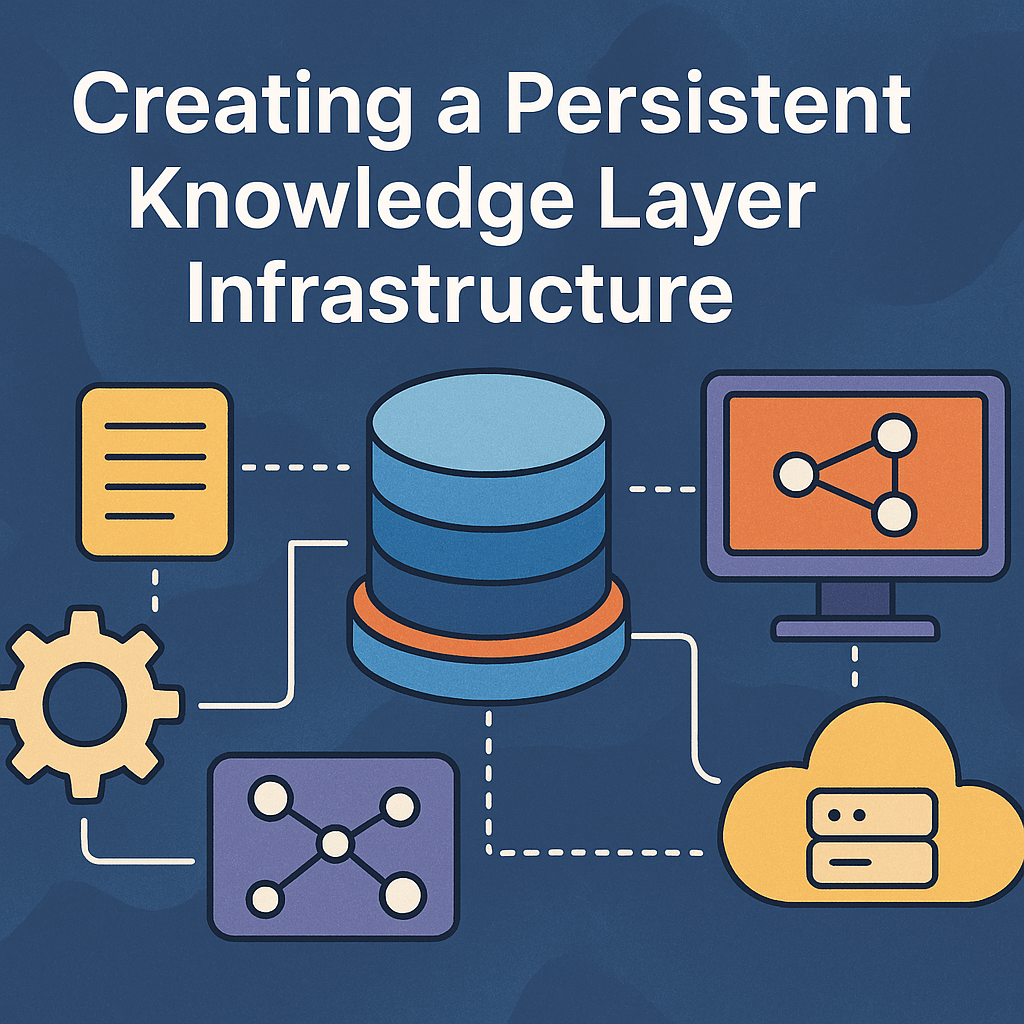
Creating a Persistent Knowledge Layer Infrastructure
Creating a Tangible Knowledge Layer Through Content Marketing
A useful way to think about it:
- Traditional marketing tried to capture attention.
- Modern content marketing tried to rank in search.
- The emerging model is creating a persistent knowledge layer that AI systems, search engines, recommendation systems, and people can repeatedly reference, connect, and trust.
That knowledge layer becomes tangible when it has:
1. Semantic Consistency
Your expertise, services, terminology, and viewpoints appear consistently across articles, profiles, interviews, citations, media mentions, FAQs, and supporting sources.
2. Entity Association
Search engines and AI systems begin associating a person, company, or brand with specific topics and concepts.
3. Structured Topical Depth
Instead of isolated blog posts, you build interconnected coverage around a domain:
- Core concepts
- Case studies
- Frameworks
- Definitions
- Commentary
- Evidence
- References
- Related entities
4. Cross-Platform Reinforcement
The same expertise appears across:
- Websites
- Podcasts
- Guest posts
- Citations
- Social profiles
- Directories
- Publications
- Video transcripts
- PDFs
- Schema markup
- Press mentions
5. Retrievability by AI Systems
LLMs and AI search systems increasingly synthesize:
- Recurring concepts
- Linked entities
- Authority signals
- Citation frequency
- Corroboration across sources
The “knowledge layer” becomes tangible because it changes:
- What gets retrieved
- What gets summarized
- Who gets cited
- Who becomes cognitively associated with a category
In practice, this is why some firms or professionals suddenly seem “everywhere” in AI-generated answers even without massive traffic. They built a dense informational footprint.
There are adjacent concepts already used in industry:
- Knowledge graphs
- Semantic SEO
- Topical authority
- Entity optimization
- Information architecture
- Digital authority engineering
- Retrieval optimization
- Machine-readable branding
Your phrasing — “tangible knowledge layer” — is strong because it captures the shift from:
Publishing content
to
Constructing persistent discoverable knowledge infrastructure.
For professional services especially, this matters because AI search changes discovery from:
“Who ranks #1?”
to
“Who appears authoritative enough to synthesize into an answer?”
That is a fundamentally different game.
A stronger positioning for a platform built around this concept may be:
- Authority infrastructure
- Knowledge visibility infrastructure
- Expertise-layer publishing
That positioning is more differentiated than generic SEO or blogging language.
 Professionals Press is a SpicyPress project. If it's SpicyPress you know it's got to be good.